Challenge
The team needed evidence from both sides of a financing marketplace before building a broad creator platform.
 Proof Engine
01 / 35MapReviewsPDFBook a call
Proof Engine/Case studies
26 case studies from 10 industries: mobile apps, marketplaces, IoT hardware, data platforms, AI workflows and paid-acquisition tests.
Swipe up to beginPress ↓ or → to move through · M for the map

Case 01/Fintech & Crypto/Proof Engine project
Testing whether creators and capital providers would engage with a revenue-backed financing product.
The team needed evidence from both sides of a financing marketplace before building a broad creator platform.
Mapped segments, tested four offer framings, built an application-style MVP, and ran creator and capital-side conversations.
Narrowed the opportunity to creators with measurable recurring income and defined underwriting as the next proof gate.

Case 02/AI & Data/Proof Engine project
A focused AI qualification workflow tested before committing to a broad sales-automation platform.
Prospects had to trust the interaction and sales teams had to find the resulting handoff useful.
Built two conversation flows, tested three positioning variants, and generated structured sales-ready handoffs.
The shorter flow won, shifting the product toward a qualification layer before human sales rather than an AI replacement for sales.

Case 03/AI & Data/Proof Engine project
Proving one high-value operational workflow before expanding into a broad automation platform.
General interest in automation obscured which workflow was urgent enough to adopt and pay for.
Mapped operational pain, selected a narrow workflow, built a human-reviewed functional prototype, and tested positioning by segment.
Proved workflow feasibility and clarified the segment, leaving a live-team pilot as the next evidence gate.

Case 04/Legal & Professional Services/Proof Engine project
A controlled legal-operations workflow replacing fragmented AI experimentation.
A professional-services team needed repeatability, human review, and a safe integration path before production adoption.
Mapped the legal workflow, designed review gates, prototyped the AI-assisted flow, and defined the tool-aware integration architecture.
Created a measurable pilot path with accuracy, review time, adoption, and exception handling as explicit success criteria.
Case 05/AI & Data/2019
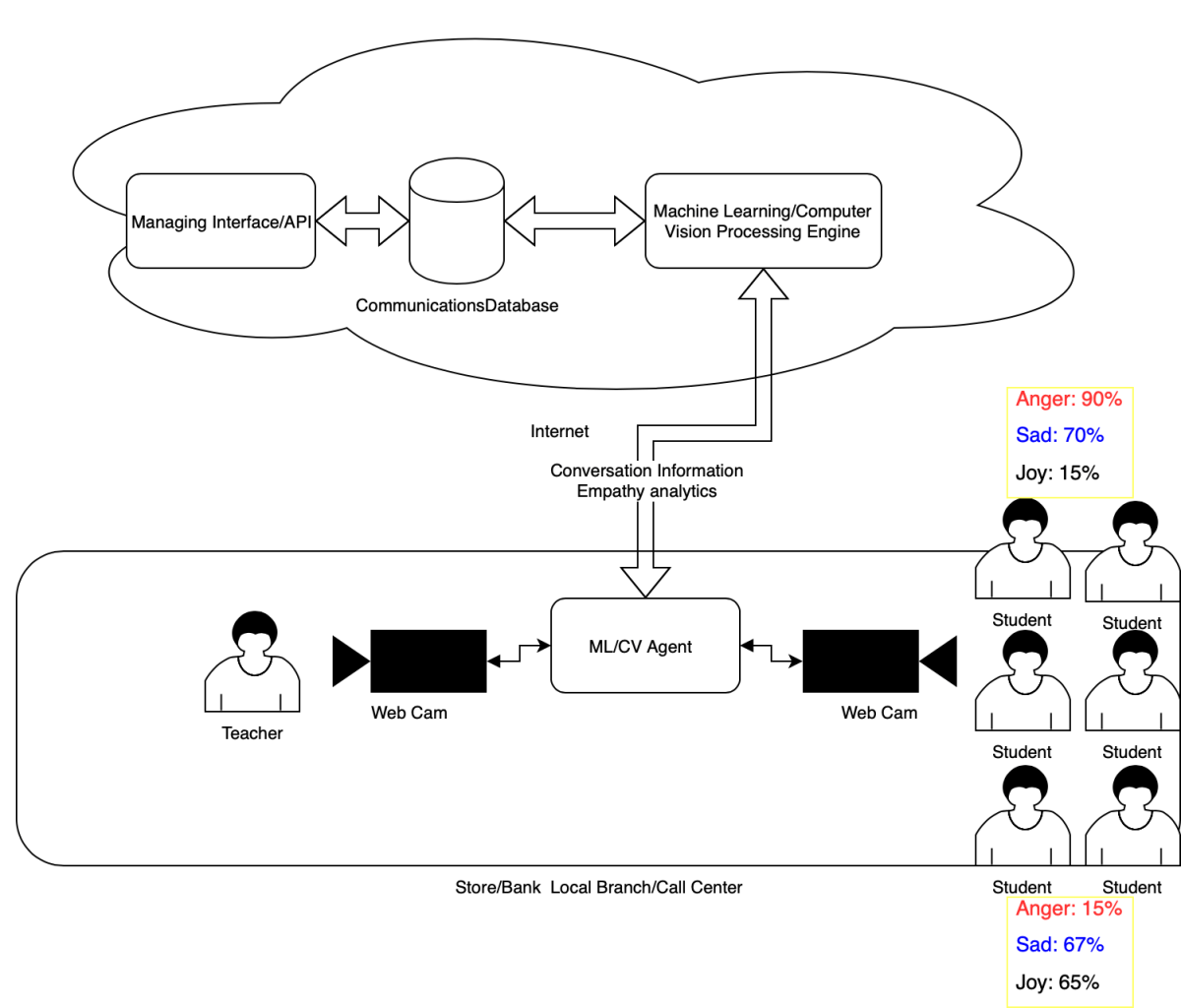
A self-funded computer-vision concept for estimating customer emotional response in offline retail.
Turn an ambiguous human signal into a testable face-and-video analysis workflow without claiming a validated empathy model.
Designed a webcam-based capture and ML/CV analysis architecture for retail interactions and documented potential store, bank, and call-center scenarios.
Produced a presentation-ready architecture and proof concept; no trained or deployed production model was claimed.
Case 06/Consumer & Hospitality/2013–2014
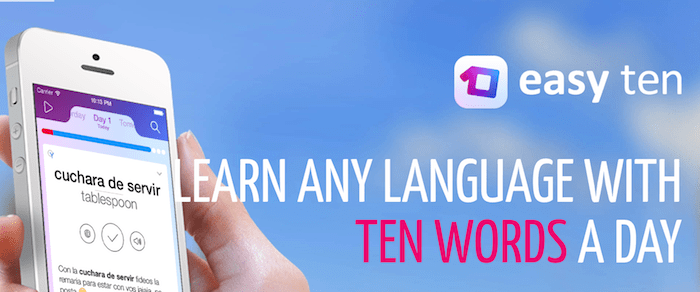
A language-learning product built around ten words a day.
After iOS 7 disrupted the early app for roughly one in three users, the product needed a full mobile rebuild, scalable backend and data processing, and a delivery team.
Designed and prototyped the architecture, implemented redundant high-load infrastructure, rebuilt iOS and Android apps, assembled the team, and supported business development.
Reached 200,000 users in the first three months; later public reporting recorded more than 500,000 downloads and about $450,000 in seed investment after a three-month IIDF accelerator.
Case 07/Real Estate & Proptech/2015–2023
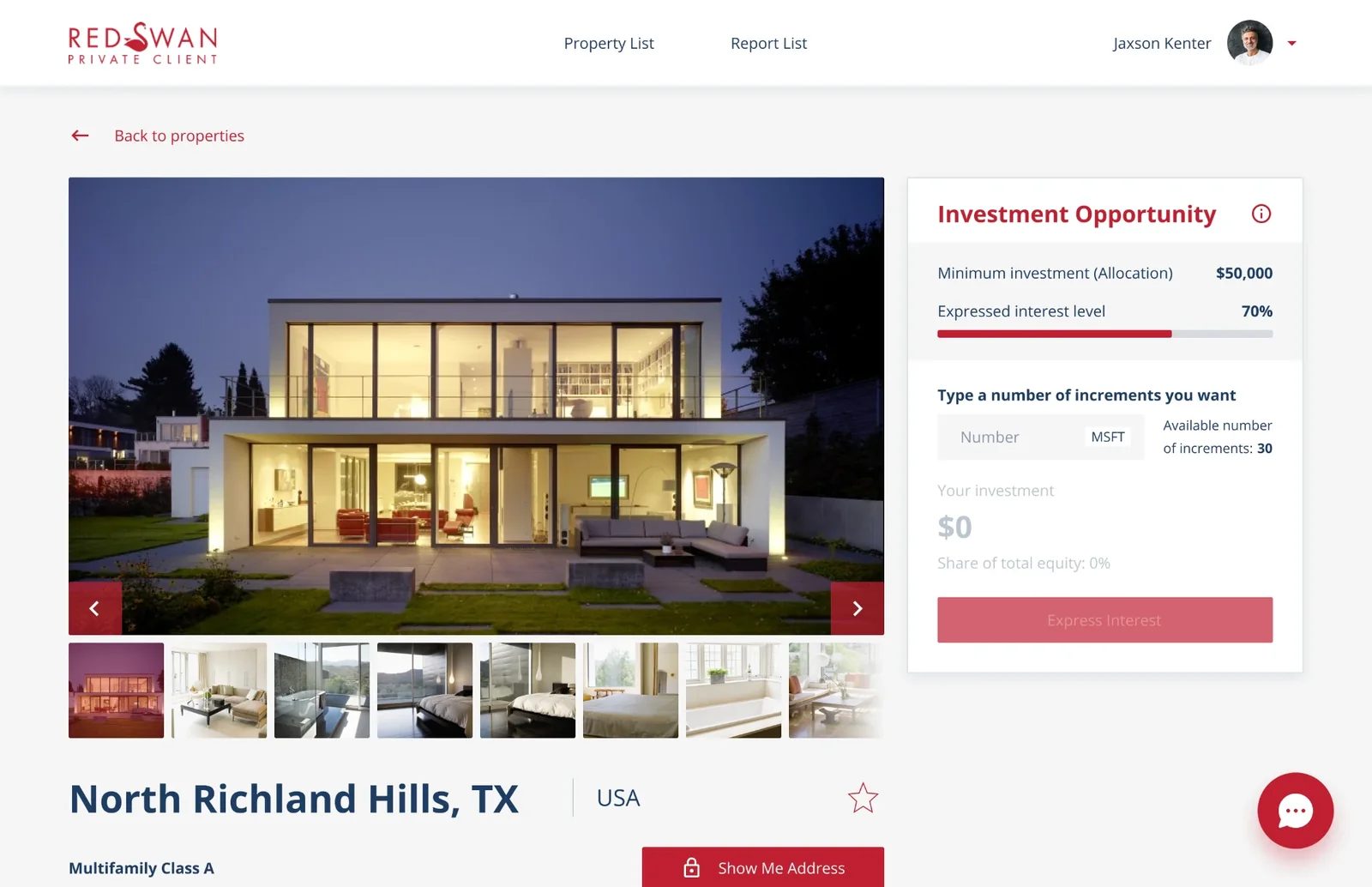
From a privately distributed iOS property app in 2015 to the investor platform for a tokenized commercial real estate marketplace, designed end to end by one technical product manager.
RedSwan needed to put real estate in front of its investors, first as a mobile app and then as a web platform built around tokenized offerings.
Shipped a privately distributed iOS app in 2015, then designed the platform from zero in 2018: investor cabinet, property listing and every flow between them. Led it as technical product manager, hiring and directing two developers inside a four-person team.
A working platform for RedSwan's marketplace and a collaboration that ran until around 2023. Payments were deliberately left out at that stage so the flows could be tested first.
Case 08/Fintech & Crypto/2017–2018
One operations layer for distributed crypto-mining facilities.
Monitoring, pool control, efficiency, and stock management were fragmented across a distributed physical operation.
Designed, developed, and implemented the software management system spanning facilities, devices, pools, efficiency, and inventory.
Created a unified operational view for site operators and owners of hosted mining equipment across facilities, devices, pools, efficiency, inventory, and customer dashboard functions.
Case 09/Real Estate & Proptech/2026
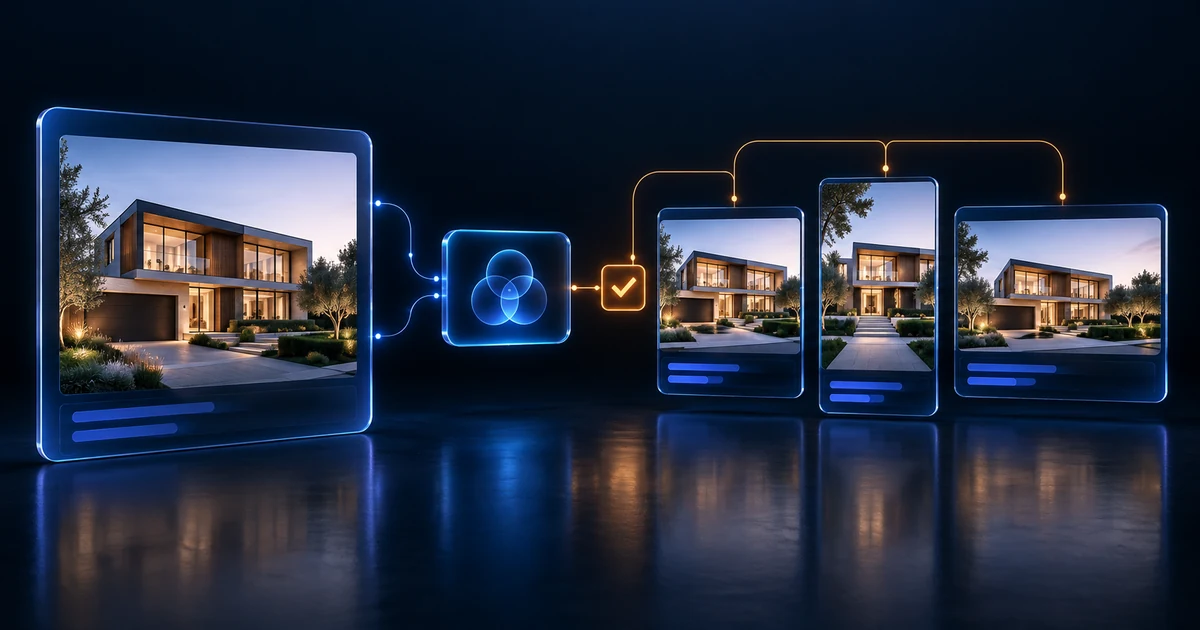
A startup studio’s AI service built through architectural judgment, security engineering, a professionally reviewed Codex Security audit, and expert review of copy and optimization.
The client supplied the concept and brief. The service needed a coherent architecture for private data, paid AI operations, controlled growth, and a credible public launch.
Designed and implemented the architecture, access controls, paid processing, and operating foundation. Security review combined Codex Security with professional assessment; copy and optimization also received professional review.
Delivered a functional service with durable processing, tested access and accounting boundaries, reviewed public content, and search, communication, and operating foundations for GTM.

Case 10/Media & Marketplaces/2019
An international platform connecting producers, casting teams, coaches, and actors end to end.
The existing product needed a stronger architecture, infrastructure plan, and delivery organization before its next market-facing stage.
Reengineered the existing architecture, led delivery, defined infrastructure strategy, and analyzed product traction to guide priorities.
The platform was presented at Marché du Film in Cannes in May 2019, after the reengineering engagement had ended.
Case 11/Media & Marketplaces/2017–2022
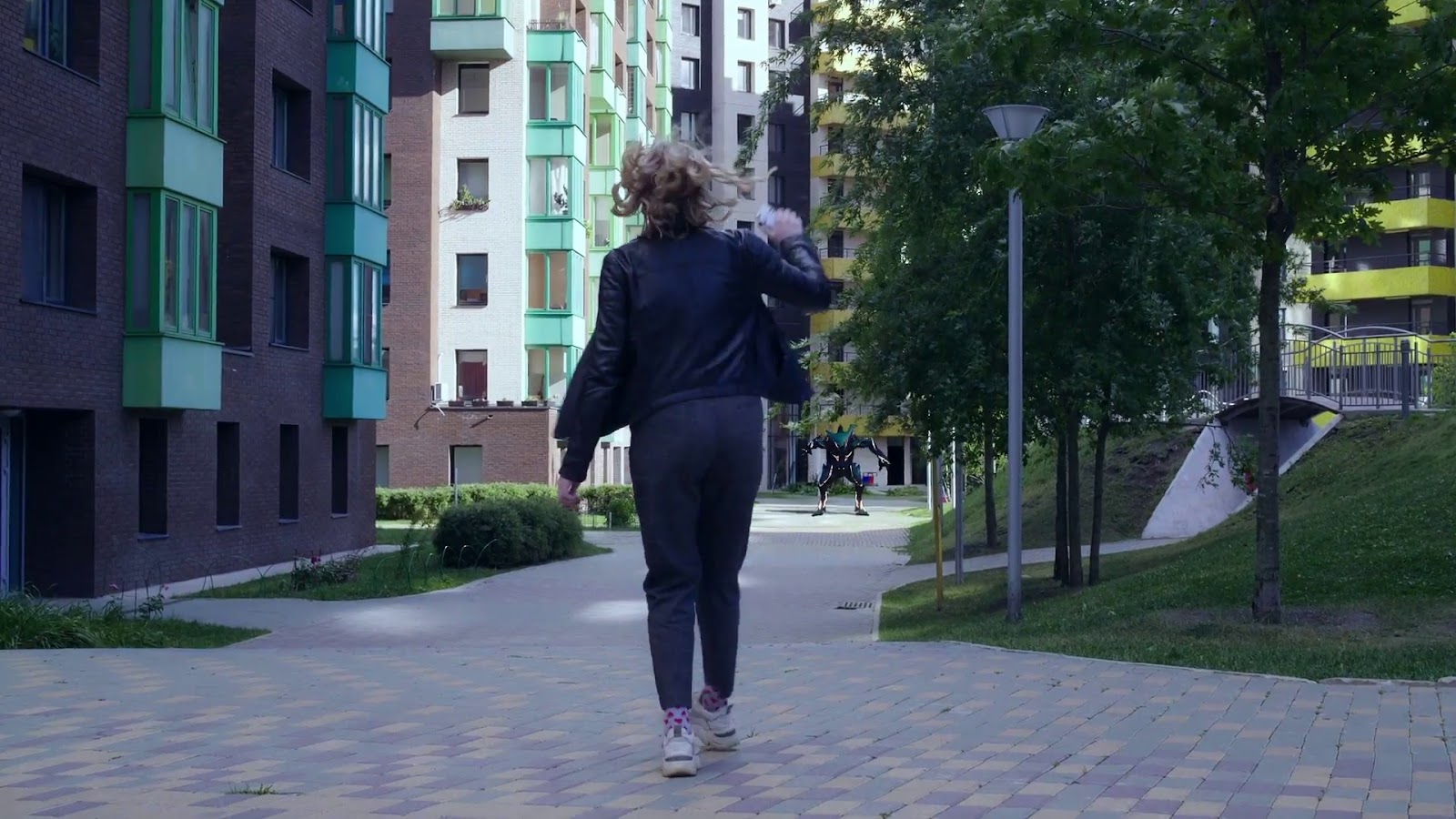
A working location-based AR game built around shared quests, points of interest, and collective mechanics.
Location-aware play, AR/VR, collective mechanics, and branching quest progression had to work as one coherent mobile system.
Designed location-bound quest flows with POIs and check-ins, resources, battles, sequential and branching steps, quest chains, and rewards.
Reached a working closed beta with more than 100 testers in December 2020; a later public release was planned but is not independently confirmed.
Case 12/Media & Marketplaces/Product history
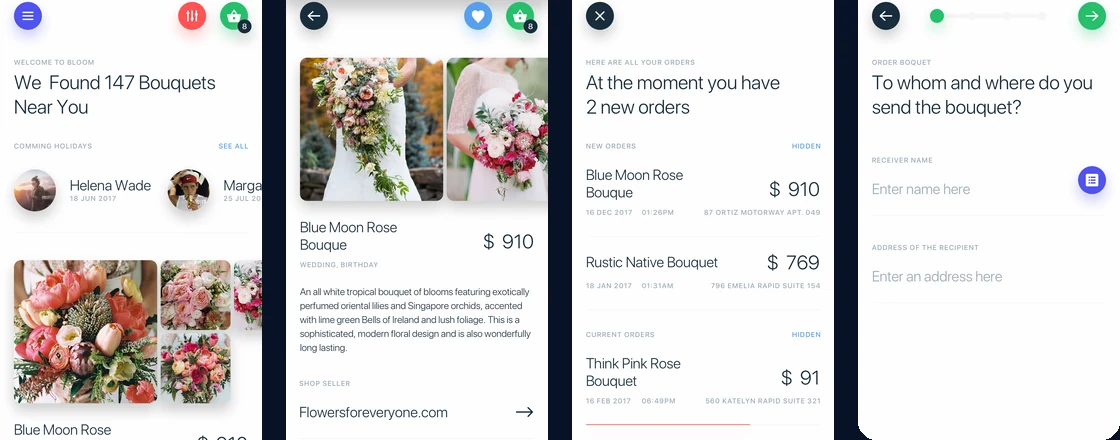
A two-sided mobile marketplace connecting bouquet buyers with local flower shops.
Discovery, trust, delivery, checkout, and shop operations had to work as one local-commerce experience.
Designed both marketplace sides: occasion and location discovery, florist profiles, catalog, favorites, checkout, and order management.
Created a complete buyer-to-florist product flow ready for implementation and market testing.
Case 13/Media & Marketplaces/Product history
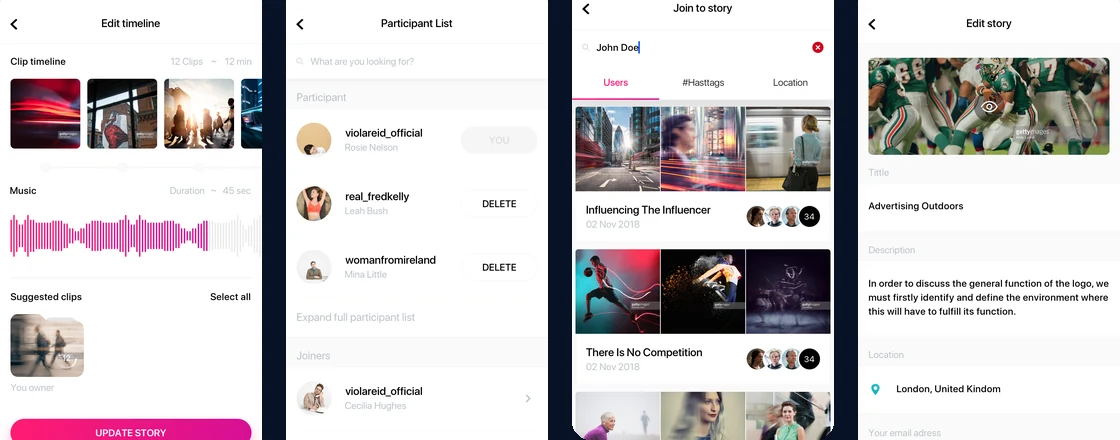
A social product where groups create one shared multimedia story.
Photos, video, music, and 360° media needed creation mechanics built around group authorship rather than solo posting.
Defined the product strategy, creator UX, invitations, collaborative editing, media tools, and publishing mechanics.
Delivered a coherent social-product concept for creating and publishing stories together.
Case 14/Consumer & Hospitality/Product history
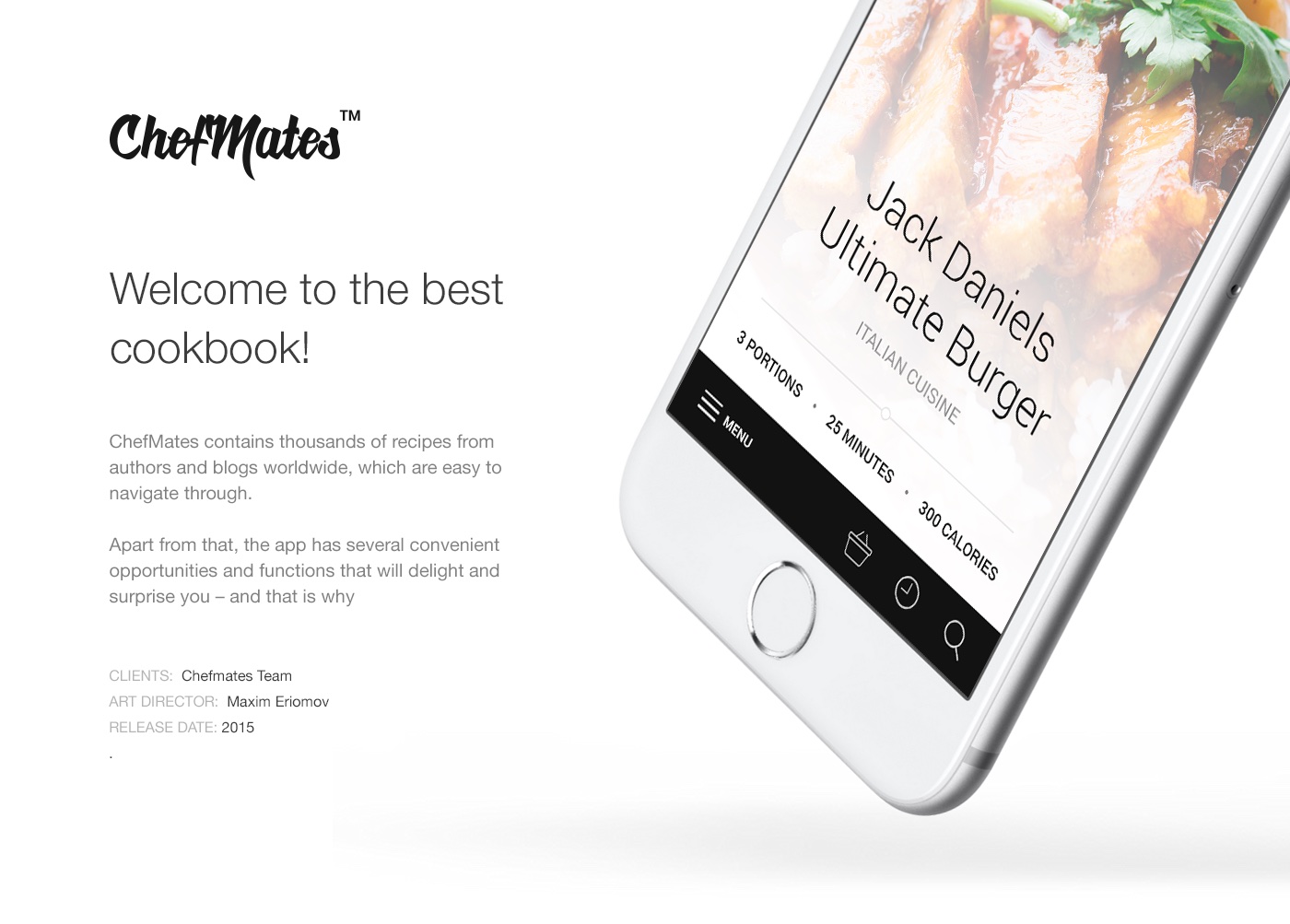
A content-rich cookbook redesigned around how people move from discovery to cooking.
Recipes from established authors and food blogs needed one simple mobile journey rather than a dense catalog.
Designed the product concept, UX architecture, discovery filters, favorites, shopping lists, and step-by-step cooking flow.
Produced an end-to-end mobile product experience spanning inspiration, planning, and kitchen use.

Case 19/AI & Data/2024–present
Target architecture and engineering standards for an NDA iGaming data platform spanning DWH, clickstream, experimentation, recommendation, BI, and secure AI.
Product, data, engineering, and security teams needed shared decisions for batch and streaming ingestion, historical migration, governance, and production readiness.
Authored and reviewed 15 ADRs and designed the analytical platform around Kafka, ClickHouse, Iceberg, and Airflow, with data contracts, schema versioning, replay and backfill, observability, lineage, ownership, and access controls.
Turned cross-team constraints into implementable roadmaps and acceptance criteria across DWH, provider onboarding, clickstream, experimentation, recommendation, and governed LLM integrations.

Case 20/AI & Data/2021–2024
A real-time platform built to turn more than a terabyte of daily data into operational decisions.
Monitoring, control, analytics, and immersive visualization had to work across a high-volume enterprise data estate.
Architected the platform, introduced AR/VR visualization, and led a cross-functional organization of 50+ engineers, PMs, analysts, QA, and DevOps.
Deployed a platform processing 1+ TB per day and expanded the product surface with Unity3D, Canvas3D, and HoloLens experiences.

Case 21/Enterprise & Public Sector/2021–2024
Real-time telemetry, accounting, and OLAP for a top-three telecommunications provider.
A mission-critical system needed reliable streaming, analytics, integrations, and materially better cloud economics.
Designed and maintained the architecture for real-time streams, OLAP analysis, accounting, and external integrations.
Cut cloud infrastructure cost fourfold while preserving the operational data flows the business relied on.
Case 22/Smart Cities & IoT/2022–2025
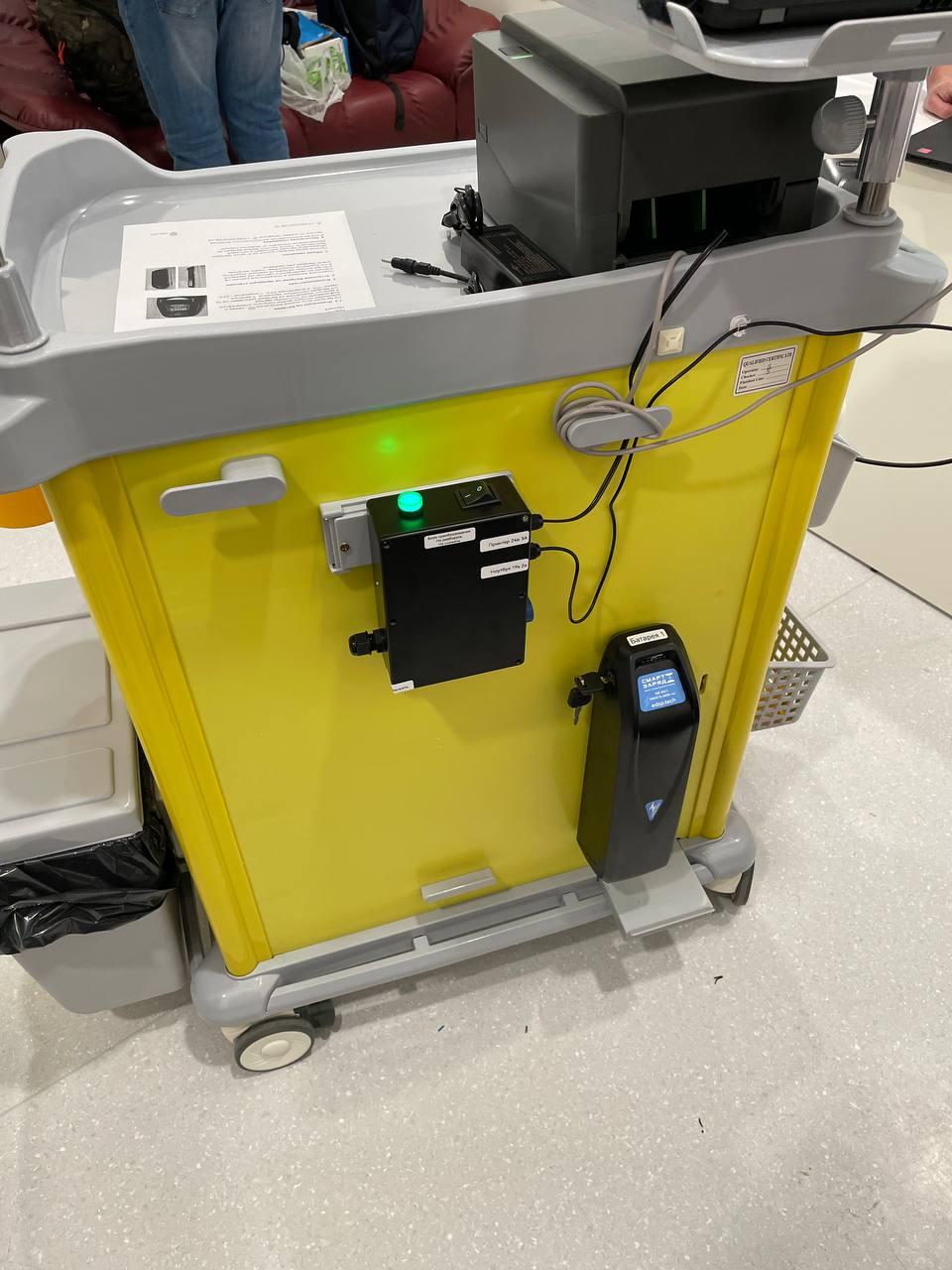
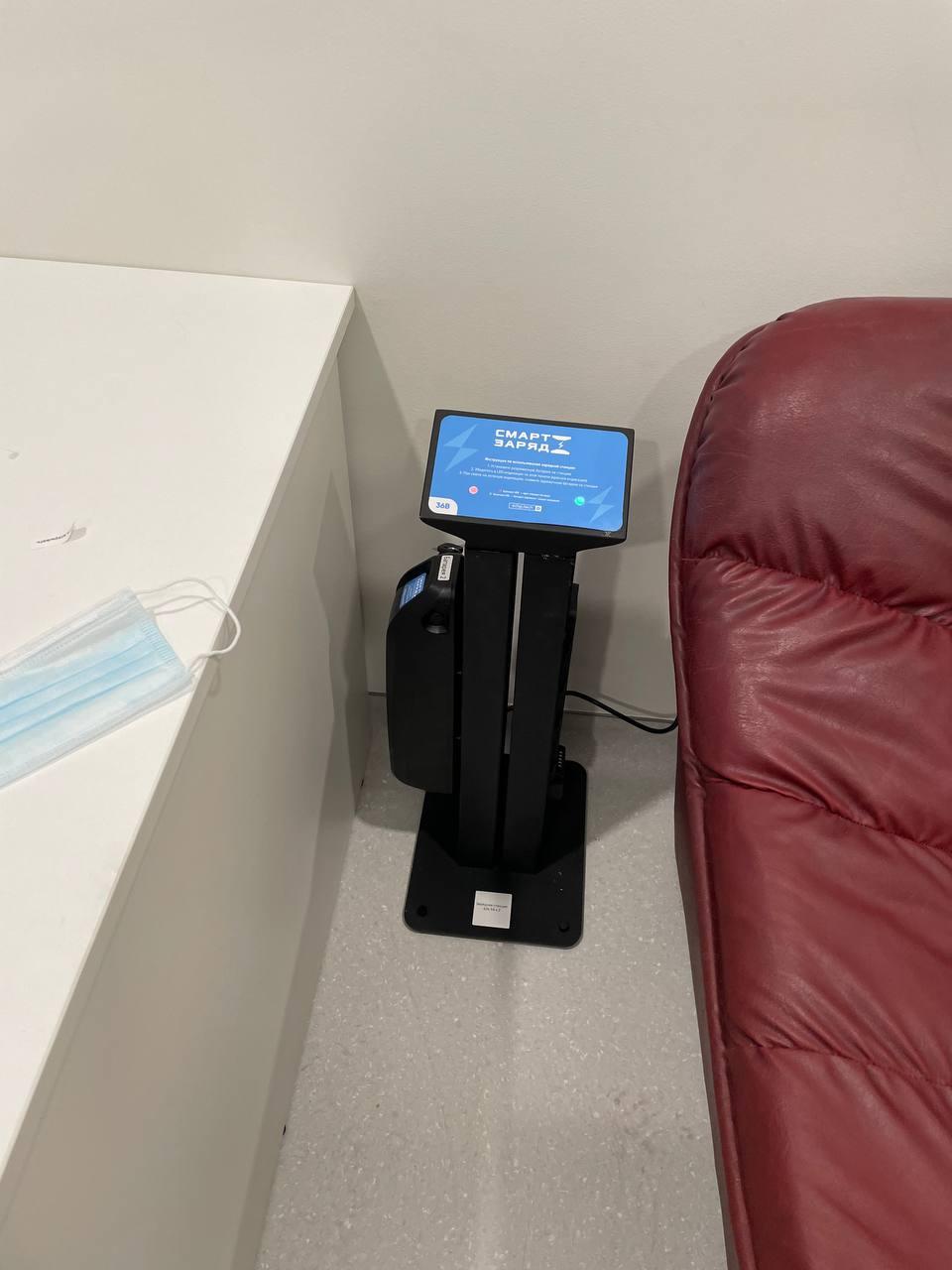
A modular battery and charging system designed to keep mobile medical equipment powered and observable.
Medical carts needed safe hot-swappable power across multiple voltage outputs, while batteries and charging stations also needed remote monitoring.
Advised on product architecture across smart BMS, protection, hot-swap, 3–70 V and USB-C outputs, charging stations, and Wi-Fi/cloud monitoring; supported the roadmap and engineering hiring.
Connected the requirements for 36 V, 680 Wh batteries and one-, two-, and four-battery charging stations in one implementable hardware/software roadmap.
Case 23/Smart Cities & IoT/2017
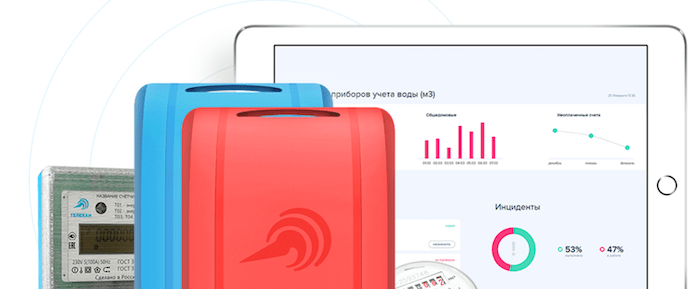
A Lumiot LPWAN platform for autonomous collection and cloud analysis of electricity, heat, and water-meter data.
Electricity, heat, and water readings had to be collected, stored, and analyzed without frequent field maintenance.
Designed the system across low-power sensors, Lumiot base stations, GSM-connected gateways, cloud device management, data collection, and visualization; LoRa support was planned.
Specified up to 2,000 devices within a 4 km radius per base station and a sensor design rated for 14 years on a single AAA battery.

Case 24/Smart Cities & IoT/2015–2017
A modular city-management platform connecting citizen requests, municipal workflows, fleet telemetry, road maintenance, and public-space operations.
Several municipal workflows and data sources needed one product and architecture strategy.
Led software architecture, product planning, risk management, and sales support for a 20-person team, with telemetry services built in Node.js, Python, PHP/Symfony, and Angular.
Delivered modules for citizen complaints, city BPMS, fleet telemetry, street cleaning, and road-construction operations.
Case 25/Smart Cities & IoT/2022–2025
Hardware/software architecture for connected charging and access-control products, including a related computer-vision capability.
Physical devices, presence and access control, and computer vision had to be translated into a coherent technical roadmap without coupling unrelated product functions.
Reviewed architecture and delivery for charging and access-control products, including neural-network number-plate recognition, and translated product constraints into technical and hiring priorities.
Established an implementation roadmap with clear boundaries between connected devices, access control, and computer-vision integration.
Case 26/Fintech & Crypto/2018
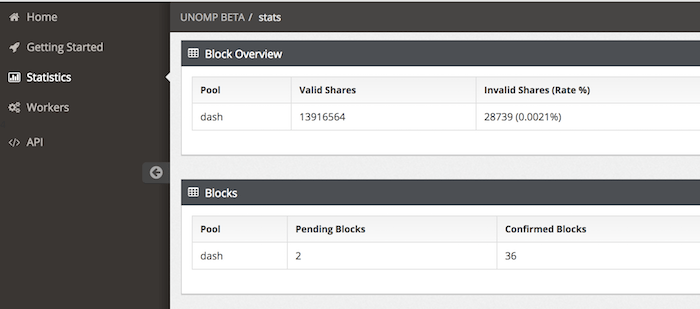
An open-source-based mining pool redesigned to support several major currencies at device scale.
The pool needed a reliable internal redesign across Dash, BTC-GPU, Ethereum, Litecoin, and other currencies.
Reworked the NOMP-based platform and its operational architecture for multi-currency mining workloads.
Supported more than 5,000 connected mining devices across a multi-currency pool.
Clients
 5:01
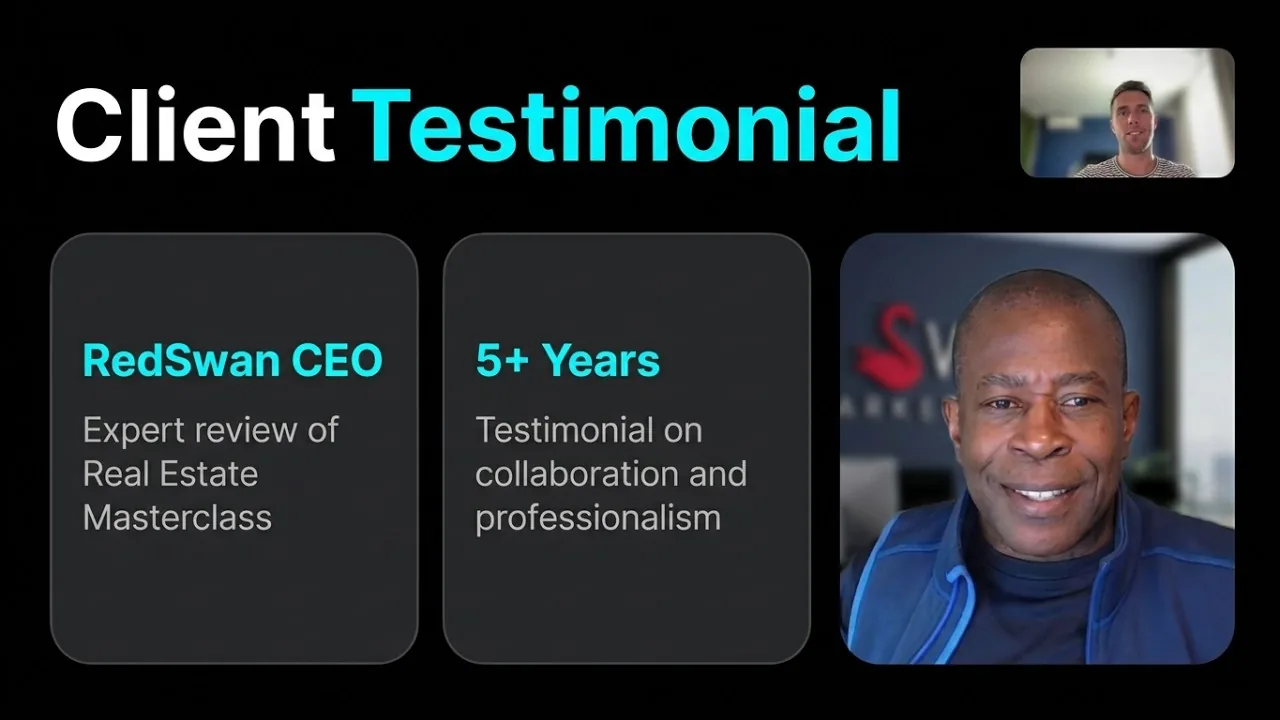
Client testimonial · 5 min video
Working together since 2015: Kirill worked on the first RedSwan mobile app, then designed the RedSwan platform end to end as technical product manager.
Edward Nwokedi, Founder & CEO of RedSwan, on working with Kirill
Watch on YouTube A client review on Clutch
“They've truly understood our business before proposing anything.”
Ricardo Casquero, CEO, Armada Esports · Gaming · Buenos Aires
From the Clutch summary: the client has gained at least 30% efficiency and described the engagement as a real differentiator that keeps clients coming back to their business.
Read on ClutchNext step
Book a short routing call. A clear problem, constraint or question is enough to start.
Who you would be talking to
The minimum engagement is $4,500, covering a two-to-four-week scope; larger work is scoped per situation. Every case in this deck is on proofengine.studio/case-studies, and the whole deck is available as a PDF.